
What is Plantar Fasciitis?
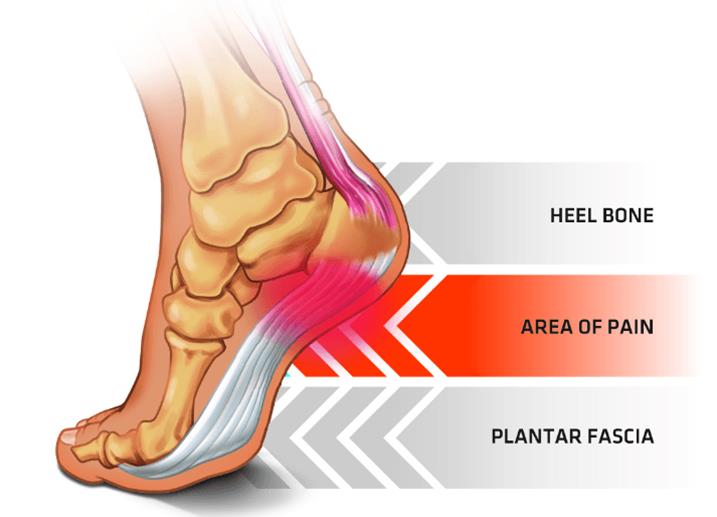
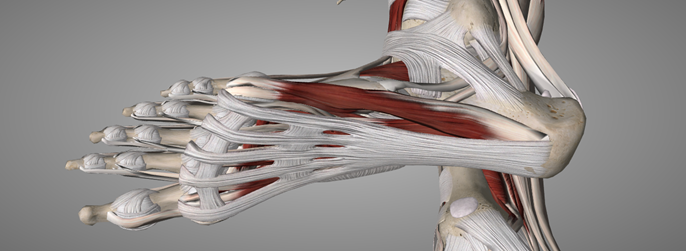
Plantar fasciitis is one of the most common causes of heel pain. It involves inflammation of the plantar fascia which is a strong, fibrous band of tissue that runs along the sole of the foot. It is stretchy like a thick rubber band. The plantar fascia attaches to the heel bone (calcaneus) and to the base of the toes. It helps to form the arch at the bottom of the foot and has a significant role when walking.
Plantar fasciitis occurs when the plantar fascia is overused or stretched too far. If the plantar fascia becomes overused or overstretched then then swelling will often occur closest to the heel, and as a result this inflammation makes it painful to walk or use your foot. Most people experience plantar fasciitis in one foot at a time, but it is possible for it to affect both your feet at once. Some people are just affected in the morning with the pain and discomfort improving as the day goes on. However, if left untreated it becomes a sharp pain whenever weight bearing.
Causes of Plantar Fasciitis.
Although commonly seen as an overuse or over stretching injury, other factors can contribute to plantar fasciitis. These include muscles imbalances and poor foot conditioning. If an individual has muscle imbalance, then this can affect their weight distribution when walking or doing other activities. A person could be at higher risk if they have had previous ankle or foot injuries, diabetic, obesity, pregnant, biomechanical issues (high arches or flat feet). Age can also be a factor with people aged between 40-60 years of age most likely to suffer. If an individual has poor foot wear with very little support or on their feet for long periods throughout the day these individuals can also suffer.
Symptoms of Plantar Fasciitis
Symptoms of plantar fasciitis include:
- Pain on the bottom of your foot near your heel
- Pain in the arch of your foot
- Swelling on the bottom of your heel
Plantar fasciitis pain
Many people will describe plantar fasciitis pain differently, depending on how they are suffering and at what stage they are at with the injury. People with plantar fasciitis describe their pain as:
- Pain on the bottom of your foot that gets worse over time.
- Pain that is at its worst first thing in the morning or after they have been sitting for a long time. After a few minutes of walking, the pain often decreases because walking stretches your fascia.
- A constant ache.
- Sharp or stabbing pain when you put pressure on your heel.
Best Treatment for Plantar Fasciitis.
Like most inflammatory conditions in the early stages, it is important to rest and ice. Rest and possibly adapt any exercises that an individual is taking part in. Ice for periods of 10-15 minutes twice a day to help soothe the inflammation. A sports therapy assessment at Body Mechanics Malmesbury can assess the pain and diagnose the problem. At Body Mechanics Malmesbury will start with a consultation process finding out about you thee patient and what you are experiencing. It is likely that for plantar fasciitis we will conduct a posture and gait analysis, and run tests to identify any areas of weakness. At Body Mechanics Malmesbury we will use a combination of treatments, massage, dry cupping, rehab exercises and sports massage to get you back to your favourite activities without discomfort and pain. All treatment will be provided on client-by-client basis with rehab exercises to match each individual.