
Decrease Stress & Anxiety
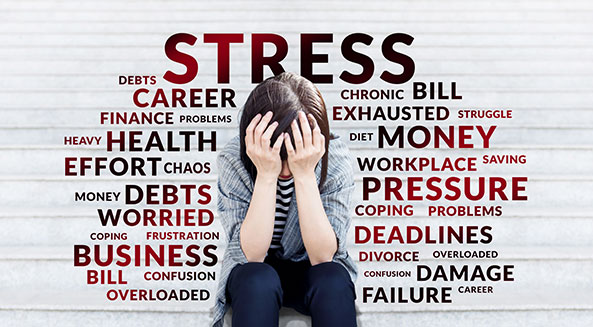
Stress is a certain part of life, which many people will encounter in their lifetime. It is difficult to remove all stress from day-to-day life. Stress is physical and mental response to situations the body and mind find to be overwhelming.
Even good life experiences such as getting married, starting a new job or becoming a parent, can generate significant stress. When people struggle to cope with stressful situations, depression and anxiety symptoms can become more noticeable.
Massage therapy is one of many ways to cope with stress, treat anxiety and depression. Massage therapy is not only for pampering yourself, but it also helps manage anxiety, depression and insomnia.
Massage helps to reduce stress by decreasing the heart rate. Massage increases temperature in the body and promotes relaxation. When the body relaxes, a person’s heart rate is reduced. Stress levels become less, and the feeling of calmness and relaxation increases.
Massage decreases stress by relaxing muscles and soft tissues in the body. Massage relaxes muscles by increasing temperature and blood circulation. An increase of temperature happens when the therapist does friction movements against the skin. Improved circulation delivers more blood to the muscles, removing waste products and relieving tension.
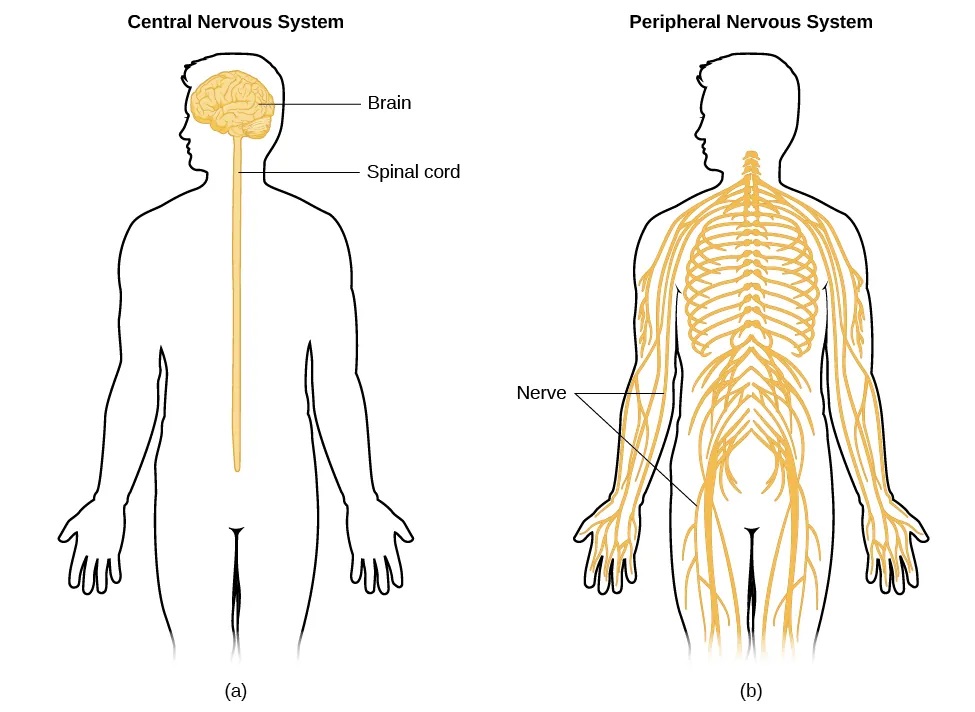
Massage also helps reduce stress by releasing endorphins that calm the peripheral nervous system. The peripheral nervous system is part of the nervous system in the body. The function of the peripheral nervous system is the communication relay between the brain and extremities. Massage stimulates feel good hormones into the peripheral nervous system allowing message of calmness and relaxation to be sent out. When endorphins are released, stress related hormones are decreased therefore the feeling of stress is greatly reduced.
Massage to reduce stress.
Massage to reduce stress can have a beneficial effect on decreasing the feeling of pain. Massages trigger the release of natural pain killers and hormones that promote the feeling of relaxation. Massage prevents pain signals from reaching the brain and as a result the feeling of pain is reduced. The feeling of pain is related to emotions of stress. Once pain is reduced the feeling of stress can be relieved.
As well as decreasing stress, massage also helps to decrease other emotions such as anxiety and depression. Massage helps relieve stress by lowering the heart rate, promoting relaxation, and releasing good hormones. Emotions such as anxiety and depression can be reduced once stress levels are decreased.
A deep tissue massage is used to reduce stress. A deep tissue massage focuses on the deeper layers within soft tissues. When people experience stress, it often presents itself as a buildup of tension within muscles that restricts movement and increases pain. A deep tissue massage aims to relieve tension by stretching and spreading muscle fibres and tissues for muscles to relax and loosen. Loosened muscles increase movement, decreases pain and reduces stress.
Stress can be reduced through Swedish massage. The main aim of a Swedish massage is to relax a person both physically and mentally through the manipulation of muscles. Manipulation of the muscles encourages them to relax and stretch to relieve any tightness or tension, reducing physical stress. The relief of tightness and tension through Swedish massage also decreases mental stress.
A therapeutic massage is frequently used to reduce stress. A therapeutic massage uses a gentle pressure on soft tissues areas. The main aim of a therapeutic massage is relaxation. When relaxation is poor, stress levels increase causing tension build-up, anxiety and muscular knots. A therapeutic massage increases blood flow. Within the blood flow are positive hormones endorphins, serotonin and dopamine. The hormones give a sense of well-being, increase relaxation and reduce stress. Increasing blood flow can also help to increase tissue elasticity by rising muscle temperature. Increased tissue elasticity reduces tension and prevent muscular knots from forming. Reduction in tension and prevention of muscular knots reduces stress.