
What is Sciatica?
Sciatica is a condition that occurs when the sciatic nerve—which runs from the lower back down to the feet—becomes irritated, inflamed, pinched, or compressed. In addition to pain, individuals may experience tingling, numbness, or muscle weakness, typically affecting the lower back, gluteal muscles, and radiating down one leg.
While sciatica can be uncomfortable and disruptive, it is not considered a serious medical condition. Most people recover within a few weeks to a few months with self-care treatments. However, there is a possibility of recurrence over time.
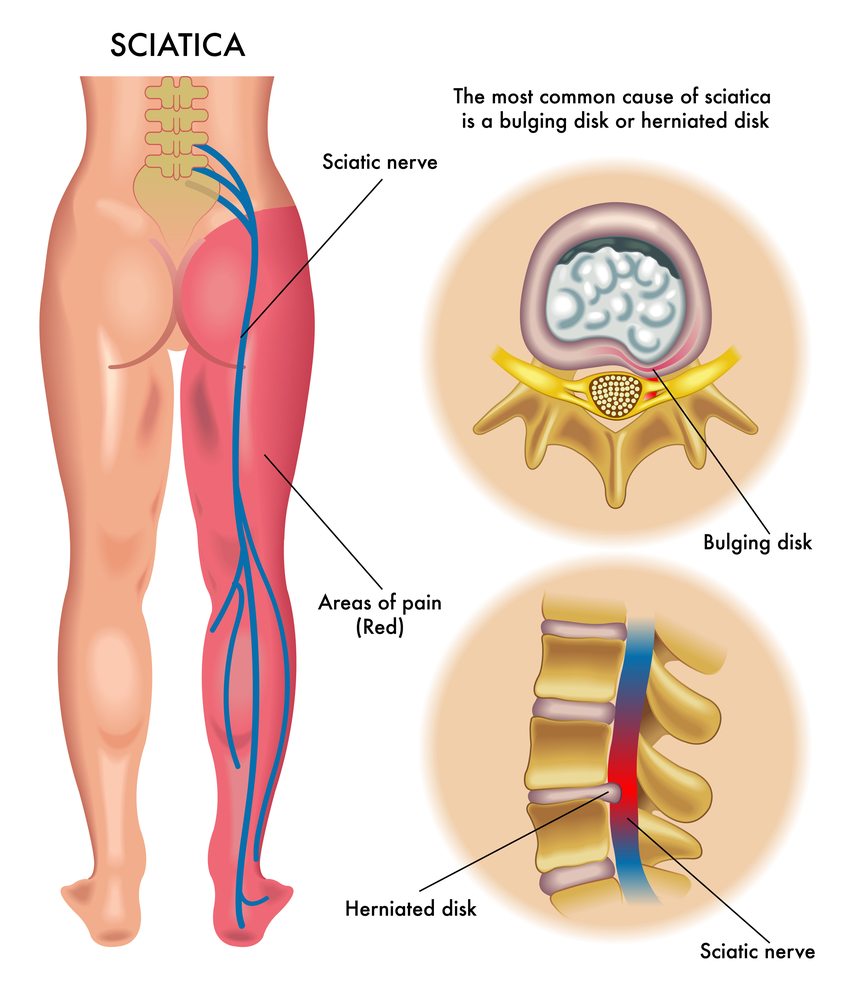
How the Sciatic Nerve Works
Every person has two sciatic nerves, one on each side of the body. These nerves begin at the base of the spine, specifically from the L4 and L5 lumbar vertebrae and the first three sacral vertebrae (S1-S3). From there, the nerves travel under the piriformis muscle in the buttocks, down the back of the thigh under the hamstrings, and eventually divide into two branches behind the knee.
Common Causes of Sciatica
Several underlying issues can trigger sciatica, including:
- Herniated or prolapsed discs in the lower spine
- Joint sprains in the vertebrae of the lower back
- Piriformis syndrome
- Pregnancy, often due to postural changes and increased fluid retention affecting the lower back and pelvis
Symptoms of Sciatica
People suffering from sciatica may experience one or more of the following symptoms:
- Pain: Typically described as a burning sensation that radiates down one leg. Pain may worsen when coughing, sneezing, bending, or lifting the legs while lying down.
- Tingling or “pins and needles”: A sensation similar to when a limb “falls asleep” due to prolonged pressure or posture.
- Numbness: A reduced ability to feel sensations on the skin of the back or leg, caused by disrupted nerve signals.
- Muscle Weakness: Difficulty moving or controlling certain muscles in the back or legs.
- Urinary or Fecal Incontinence: A severe symptom that indicates urgent medical attention is needed, as it suggests nerve signals to the bladder and bowels are compromised.
Sciatica Treatment Options
Effective treatments for sciatica can vary depending on the cause and severity of the condition:
- Cold Therapy: Applying ice packs or frozen vegetables wrapped in a towel can help reduce pain and inflammation in the early stages. Use for 20 minutes at a time, several times a day.
- Heat Therapy: After the first few days of cold therapy, switch to a heat pad or hot water bottle for 20-minute sessions. Alternating between hot and cold may also be effective.
- Over-the-Counter Medications: Nonsteroidal anti-inflammatory drugs (NSAIDs) can help relieve pain and reduce inflammation.
- Massage Therapy: Useful for relaxing tight muscles and easing tension around the affected nerve.
- Stretching and Exercise: A sports therapist or physical therapist can teach proper lower back stretches, core strengthening, and aerobic exercises to support long-term recovery.
Preventing Sciatica
While not all causes of sciatica are preventable, individuals can take proactive steps to reduce their risk:
- Maintain Good Posture: Practice correct posture while sitting, standing, lifting, and sleeping.
- Avoid Tobacco Use: Smoking or vaping reduces blood flow to spinal structures and can weaken the spine over time.
- Maintain a Healthy Weight: Excess weight increases pressure on the spine, especially the lower back.
- Prevent Falls: Wear properly fitting shoes, keep walkways clear, install grab bars in bathrooms, and ensure adequate lighting in all rooms.
- Limit Prolonged Sitting: People who sit for extended periods are more likely to develop spinal issues such as herniated discs.
Final Thoughts
Sciatica can significantly affect daily life, but with the right care and lifestyle adjustments, most people can manage their symptoms effectively. Early intervention, self-care, and professional guidance can help reduce pain, speed up recovery, and prevent future flare-ups.